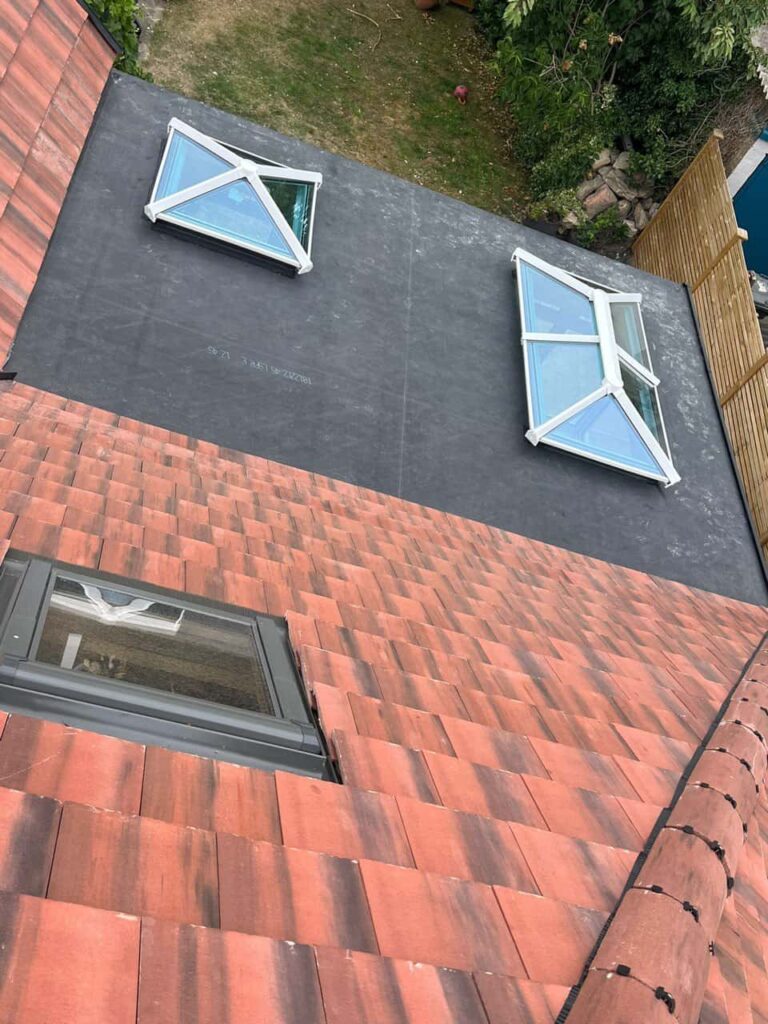
Why Minor Roof Tile Movement Can Affect Weather Protection
A roof tile does not need to fall or leave a large visible gap before it becomes a potential entry point for rain. Even slight movement can reduce the overlap between tiles, expose a side joint or create an opening through which wind-driven rain can pass beneath the roof covering.
For property owners in Hedon, East Riding of Yorkshire, a tile that appears only slightly out of position is worth assessing. It may remain secure enough to avoid falling, but its ability to direct water down the roof could already be reduced.
How Roof Tiles Keep Water Out
Tiles work as part of an overlapping system rather than as isolated units. Each course covers part of the course below, allowing rainwater to travel down the outer surface towards the gutter.
Two details are particularly important:
- Headlap: the amount by which a tile is covered by the tiles above
- Sidelap: the arrangement that protects the joints between neighbouring tiles
If a tile moves downwards, sideways or lifts at one edge, one or both of these overlaps may become less effective. The tile may still look broadly aligned from ground level, yet the water-resistant arrangement can already be compromised.
A Small Downward Slip Can Reduce the Headlap
When a tile slides slightly down the roof slope, the section covered by the course above becomes smaller. This is known as reduced headlap.
During ordinary vertical rainfall, the remaining overlap may continue to shed water. However, persistent rain or wind pushing water up the roof can allow moisture to reach the newly exposed section.
The amount of risk depends on the extent of the movement, the roof pitch, tile profile and condition of the surrounding covering.
Sideways Movement Can Open a Vulnerable Joint
A tile can move sideways without slipping noticeably down the roof. This may create a wider joint between adjacent tiles or interfere with the intended interlocking profile.
Water running across the surface can then reach the opening, particularly where:
- Wind drives rain from the side
- The tile edges no longer interlock correctly
- A neighbouring tile is also misaligned
- Debris redirects water towards the joint
- The roof slope receives concentrated run-off
A narrow gap may be enough to admit moisture during certain weather conditions even if the roof remains dry at other times.
A Raised Edge Can Catch Wind-Driven Rain
If a fixing loosens or debris becomes trapped underneath, one edge of a tile may sit slightly higher than the others. This raised edge can catch wind and allow rain to pass beneath the covering.
Repeated wind pressure may also increase the movement over time. What begins as a barely visible change can eventually loosen the tile further or affect neighbouring tiles.
Raised edges are especially important to investigate near ridges, hips, verges and other exposed parts of the roof.
The Underlay Provides Secondary Protection
Beneath the tiles, roofing underlay provides an additional barrier against moisture. If a small amount of rain passes through the outer covering, sound underlay may direct it towards the eaves.
However, underlay is not intended to replace the protection provided by correctly aligned tiles. Its performance may be reduced if it is:
- Torn or punctured
- Brittle with age
- Sagging between rafters
- Damaged around fixings
- Poorly supported
- Deteriorated near an earlier leak
If the underlay is defective, even limited water entry through a displaced tile may reach battens, insulation or roof timbers.
Why There May Be No Immediate Internal Leak
A slightly moved tile may not produce a damp patch straight away. The roof could remain dry during light rain but allow water through when wind approaches from a particular direction.
Moisture can also travel along underlay, battens or timbers before becoming visible indoors. This means the internal sign may appear some distance from the affected tile.
The absence of a ceiling stain does not necessarily confirm that no rain has entered beneath the roof covering.
Why Has the Tile Moved?
Finding the cause is as important as restoring the tile’s position. Possible reasons include:
- A corroded nail or failed clip
- A broken tile lug
- A split or deteriorated batten
- Wind acting on an already loose tile
- Movement in neighbouring tiles
- An unsuitable replacement tile
- Poor alignment from an earlier repair
- Debris trapped beneath the covering
- General movement within the roof section
If the underlying defect remains, the tile may move again after being repositioned.
Warning Signs to Look For
A slightly displaced tile may be difficult to identify from the ground. Possible signs include:
- One tile sitting lower than the surrounding row
- A wider vertical joint
- A lifted or uneven edge
- A change in the roof’s regular pattern
- Pieces of fixing material in the gutter
- Rattling during windy weather
- Daylight visible from inside the loft
- Damp marks on underlay or timbers
- A new internal stain after directional rain
Homeowners should avoid walking on the roof to investigate, as tiles can be fragile and their stability may be uncertain.
Could the Problem Affect Nearby Tiles?
A moved tile can leave the edges of neighbouring tiles more exposed to wind. It may also press against the course below or disrupt the alignment of adjacent units.
This does not mean that surrounding tiles will automatically fail. However, their fixings and positions should be checked, particularly when several tiles are of a similar age or movement has occurred near an exposed roof edge.
What a Professional Inspection Should Check
A professional assessment should consider more than the visible position of the tile. It may include checking:
- The tile’s condition and compatibility
- Headlap and side joints
- Nails, clips and tile lugs
- Supporting battens
- Adjacent rows of tiles
- Accessible underlay
- Signs of water penetration
- Nearby roof junctions
- Previous repair areas
This helps determine whether a simple local repair is sufficient or whether the surrounding section also requires attention.
Conclusion
A tile that has moved only slightly can still allow rain beneath the roof. Downward movement may reduce the headlap, sideways movement can open a joint, and a raised edge may admit wind-driven rain. The roof might not leak during every period of rainfall, but its weather protection may already be weakened.
If you notice a tile sitting out of position on your property in Hedon, TRP Roofing Hedon can inspect the affected area and identify why it has moved. Addressing both the tile and its underlying fixing provides a more reliable repair without recommending unnecessary work.
Call us on: 01482 422 392
Click here to find out more about TRP Roofing Hedon
Click here to complete our contact form and see how we can help with your roofing needs.