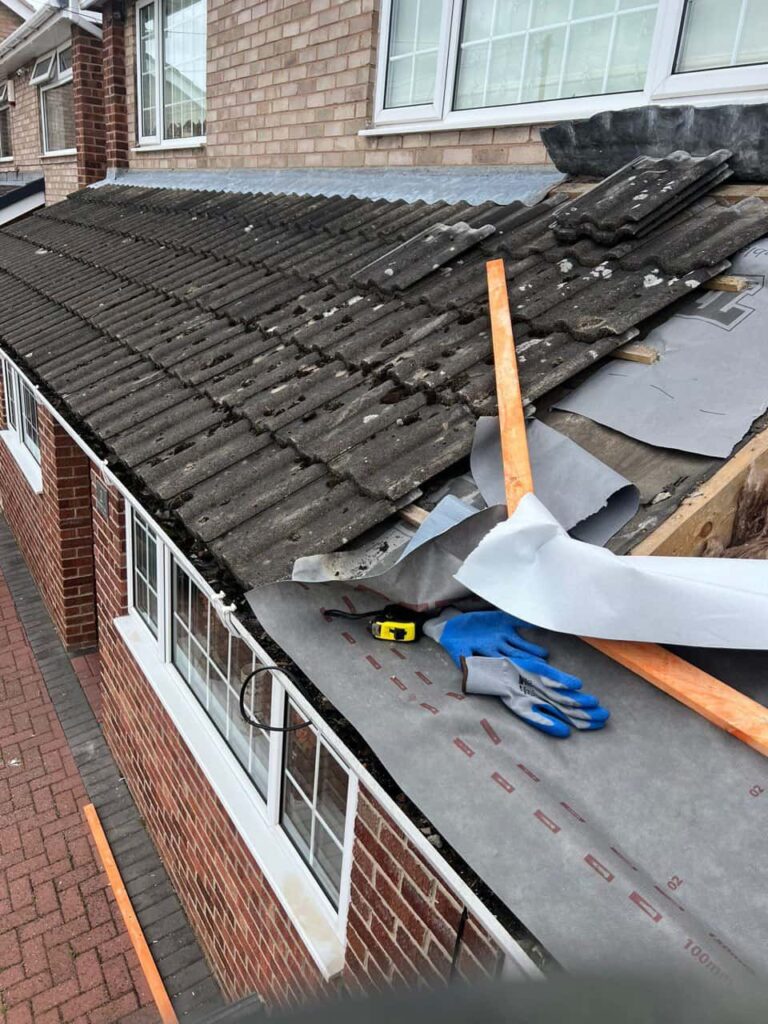
A new roof is a significant improvement that should be planned as a complete system rather than treated as a simple change of tiles or slates. The visible covering is important, but its performance also depends on the roof structure, underlay, battens, ventilation, flashing and drainage details beneath and around it.
Making the right decisions before work begins helps ensure that the new roof suits the property and addresses the weaknesses of the existing installation. For property owners in Hedon, East Riding of Yorkshire, a professional roof assessment provides the information needed to plan the project properly.
Essential Decisions to Make Before Installing a New Roof
Does the Whole Roof Need Replacing?
Age alone does not determine whether a roof requires complete replacement. Some older roofs remain serviceable with localised repairs, while others have widespread deterioration that cannot be resolved reliably through further patching.
Replacement may be appropriate when:
- Tiles or slates are failing across several areas
- Leaks repeatedly appear in different locations
- Underlay and battens have deteriorated extensively
- Numerous previous repairs are no longer dependable
- Several roof junctions are failing together
- The roofline shows signs of widespread movement
A detailed inspection should establish whether the entire roof needs renewing or whether work can be limited to a particular slope or section.
What Is the Condition of the Roof Structure?
A new covering needs a stable structure beneath it. Rafters, roof decking and other supporting components should be examined for movement, distortion or moisture-related deterioration.
Removing the existing covering provides an opportunity to inspect areas that were previously concealed. Any weakened components should be addressed before new roofing materials are installed, ensuring the completed system has a sound foundation.
Which Roofing Material Suits the Property?
The choice between tiles, slates or another suitable covering should be based on more than appearance. Weight, roof pitch, exposure and the structure’s capacity must all be considered.
The selected material should complement the property while performing correctly on the existing roof design. A professional roofer can explain how different coverings behave and identify which option is technically suitable.
How Will Water Move Across the Roof?
A roof must direct rainfall efficiently towards its gutters and drainage points. Valleys, hips, ridges, abutments and roof penetrations all influence how water moves across the surface.
Poorly formed details can create areas where water collects or enters beneath the covering. Planning these junctions before installation helps ensure that the new roof sheds water as one coordinated system.
Which Junctions Need Special Attention?
Chimneys, adjoining walls, roof windows, vents and service pipes create interruptions in the main roof covering. These areas depend on correctly formed flashing, upstands and seals.
Existing junction materials should be assessed rather than automatically retained. Renewing deteriorated details as part of the roof replacement can prevent old weaknesses from affecting the new installation.
Does the Ventilation Need Improving?
Roof-space ventilation helps manage moisture and condensation. The correct arrangement depends on the roof design, insulation and how the property is used.
A new roof provides an opportunity to review airflow and incorporate suitable ventilation details where required. This should be planned alongside insulation so that one element does not restrict the performance of the other.
What Should Happen to the Insulation?
Accessible insulation should be assessed for dampness, compression and inconsistent coverage. Moisture-damaged material may no longer perform effectively, while gaps can create uneven indoor conditions.
The insulation arrangement should work with the roof’s ventilation strategy. Reviewing both during the planning stage helps avoid problems becoming concealed beneath the completed installation.
Can Existing Materials Be Matched Elsewhere?
If only part of the roof is being renewed, the new covering should integrate carefully with retained sections. Dimensions, profiles, colours and weathering can all affect the finished appearance.
Even the same product may look different when placed beside older materials. A contractor should consider how transitions, junctions and roof slopes will appear once the work is complete.
How Will the Property Remain Protected During the Work?
Once the existing covering is removed, the roof becomes temporarily exposed. The project should therefore include a clear sequence for stripping, inspection, preparation and installation.
Weather protection is particularly important if concealed defects require additional attention. Planning the work in manageable sections helps keep exposure controlled while allowing the roof to be assessed properly.
Will Other Roof Components Be Renewed at the Same Time?
A new covering should not be installed around components that are already deteriorating. Depending on their condition, related work may include:
- Renewing underlay and battens
- Replacing damaged flashing
- Rebuilding unstable ridge or verge details
- Correcting valleys and drainage routes
- Repairing roof decking or timbers
- Reviewing gutters and roofline components
Coordinating these elements helps prevent older weaknesses from undermining the performance of the new roof.
How Will Future Access and Maintenance Be Managed?
Every roof requires periodic inspection and maintenance. The design should allow important areas such as valleys, gutters, outlets and roof-mounted equipment to remain accessible where possible.
Considering maintenance at the planning stage makes it easier to monitor the roof, remove debris and identify minor defects before they spread.
Why Contractor Selection Matters
The quality of a new roof depends as much on installation as it does on the materials. A professional contractor should assess the existing system, explain the findings and recommend work based on the property’s actual condition.
The proposed specification should cover preparation, supporting components, ventilation, junctions and drainage—not only the visible finish. This provides a clearer understanding of how the complete roof will be constructed.
Conclusion
Planning a new roof begins with understanding why replacement is required and which parts of the existing system need attention. Material choice, structural condition, ventilation, insulation, drainage and vulnerable junctions should all be considered before installation begins.
A carefully planned project allows the roof to be renewed as one coordinated system and helps avoid carrying old defects into the new work. If you are considering a new roof in Hedon, East Riding of Yorkshire, contact TRP Roofing Hedon to arrange a professional assessment and discuss the most appropriate approach for your property.
Call us on: 01482 422 392
Click here to find out more about TRP Roofing Hedon
Click here to complete our contact form and see how we can help with your roofing needs.